
Low-tox. The buzzword you’re about to see everywhere.
- Feb 20
- 2 min read
“Low‑tox” is becoming one of the most influential consumer trends in wellness and beauty, driving investment, product development, and new brand launches as shoppers demand safer and cleaner formulations.” - Forbes, 2025
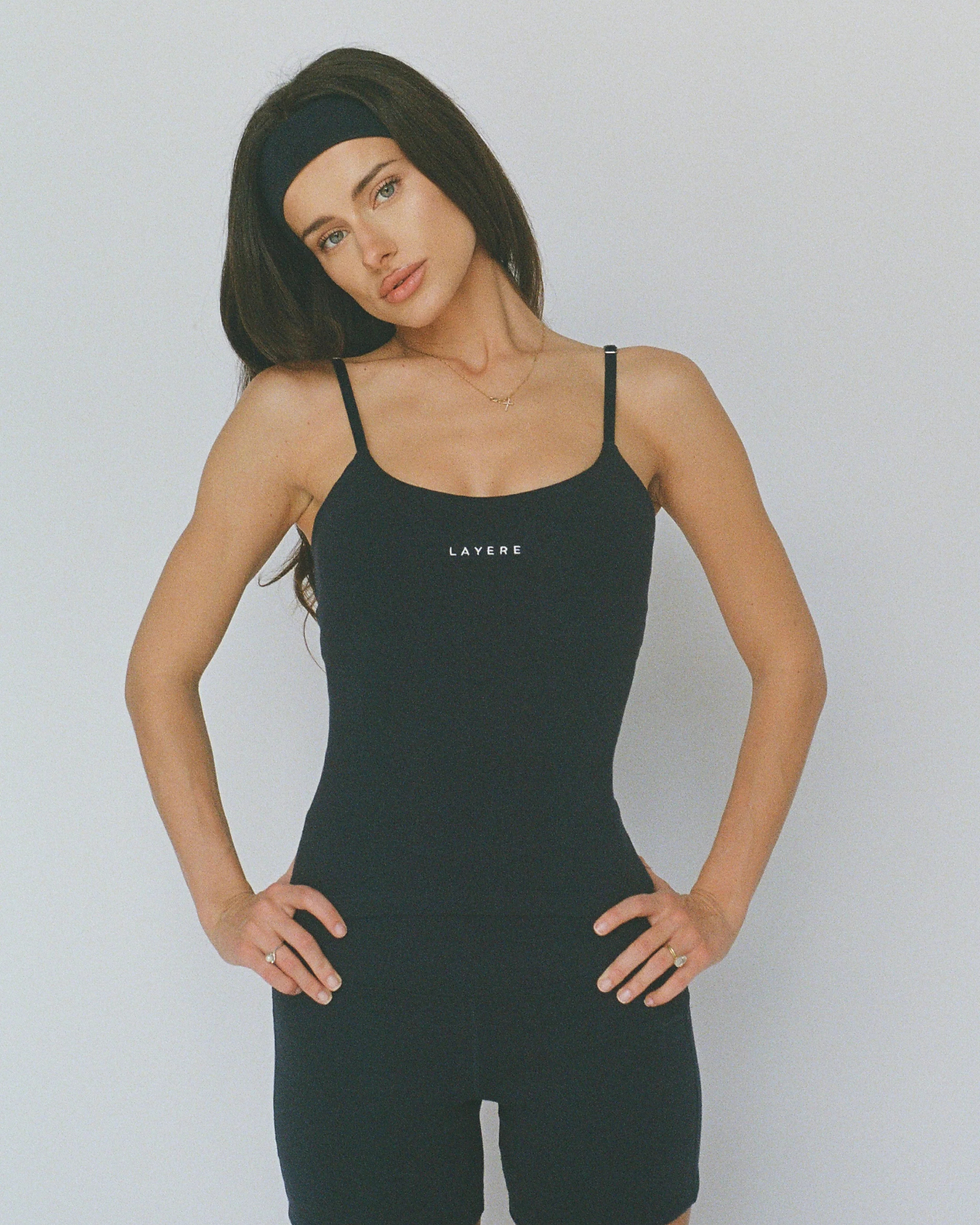
Layere is a conscious activewear and everyday apparel brand built around the idea that what touches your body should be as pure as what you put in it. Rather than relying on standard synthetic fabrics (like polyester or nylon), Layere uses organic, skin‑safe materials and low‑tox processes to prioritise both wearer health and environmental impact.
Key Insights
The "Early Adoption" Wealth
The low-tox market is no longer a niche audience; it’s a $180 billion global powerhouse (projected to hit nearly $300 billion by 2031). Brands aren't just sending "leaks" for buzz, they are securing their piece of a market where 45% of consumers now actively search for "non-toxic" or "antibacterial" safety labels before buying.
High long-term value, Low churn
While natural ingredients have a higher production cost, the "Low-Tox Switch" creates incredible customer stickiness. Once a family swaps their toxic laundry detergent or skincare for a clean version that works, they rarely go back. This creates a high lifetime value that traditional brands, currently facing a trust crisis, are desperate to replicate.
Community beats follower count
Rather than partnering with generic "mega" influencers, the most successful low-tox brands prioritise "ingredient nerds." These are advocates who can explain why a product is EWG-verified or MOCRA-compliant, resulting in a 12.1% annual growth rate for the clean beauty sector alone.
The sector is maintaining a 10.5% CAGR (Compound Annual Growth Rate), which is nearly double that of traditional beauty and home care brands.
"I’ve been keeping a close eye on the $180B global migration toward biological safety, and it’s clear that the 'clean' label is no longer enough. Consumers are now demanding radical transparency and biocompatibility. In South Africa, two brands are currently setting the local benchmark for this shift. I’m backing SKOON. and BREETH as the ones to watch.” - Lauren Ardagh, Founder of The Design Clubhouse®
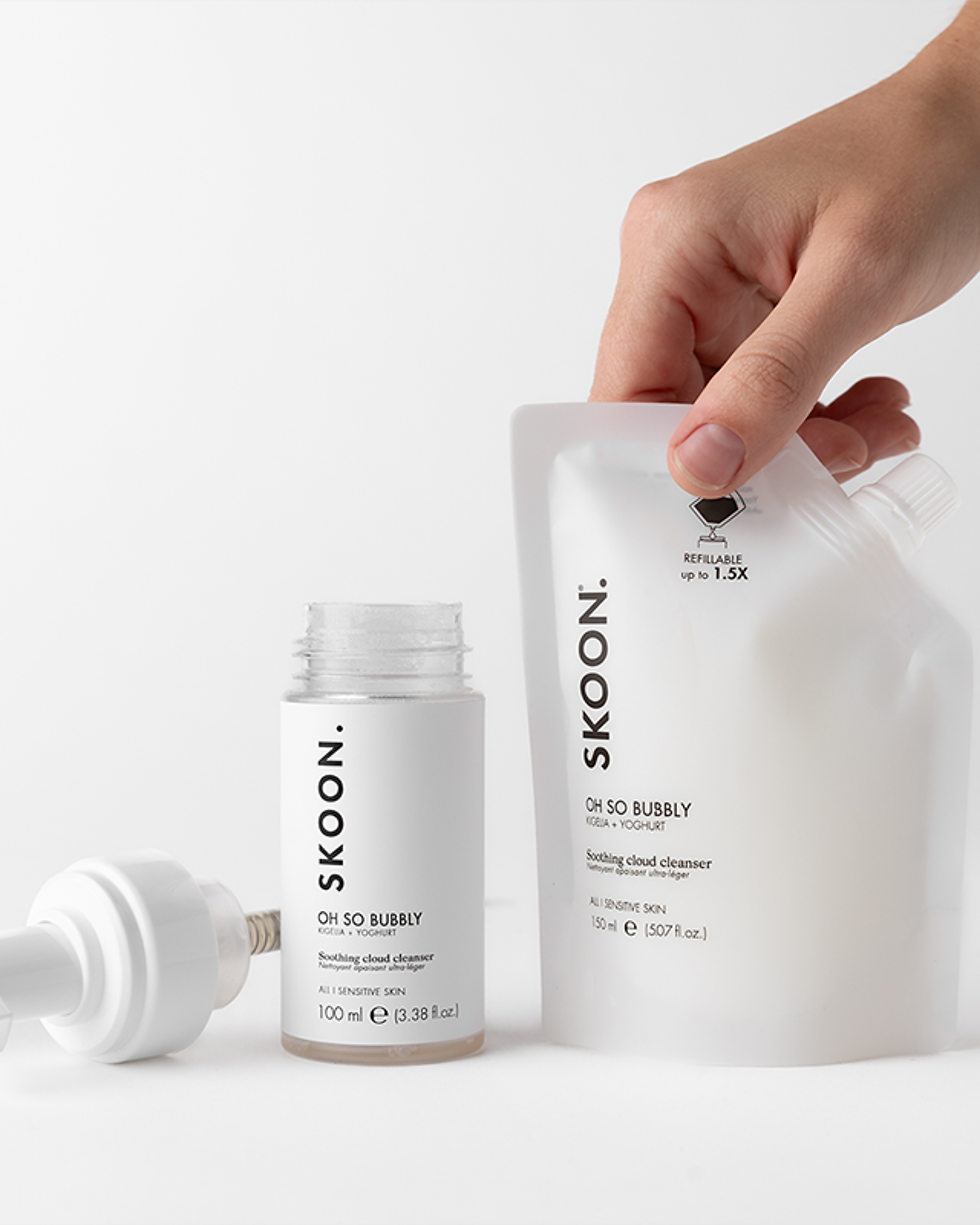
SKOON. is outmaneuvering traditional skincare by replacing the "all-natural" marketing fluff with biocompatible engineering. By integrating indigenous botanicals with advanced green-chemistry actives, they have successfully bridged the gap between high-performance results and non-toxic integrity.

SKOON.’s focus on metabolic skin health and transparency-first formulation makes them the definitive local leader in the high-growth dermacosmetic sector.

As awareness grows regarding the endocrine-disrupting nature of synthetic activewear, BREETH is uniquely positioned to lead the Natural Fiber Revolution. While the $400B global sportswear industry is still reliant on petroleum-based plastics, BREETH has engineered a health-first alternative using OEKO-TEX® certified cotton and heavy-metal-free dyes.

By focusing on the "skin micro-climate," BREETH are capturing the high-intent consumer who understands that what we wear is just as vital to biological safety as what we ingest or apply.
Luxury Wellness, Lifestyle & Beauty Marketing.
The Design Clubhouse® is a boutique growth studio specialising in the architecture of high-end wellness, lifestyle, and beauty brands. Founded by former skincare entrepreneur Lauren Ardagh, we leverage nearly a decade of industry expertise to bridge the gap between prestige creative and performance marketing. We don’t just manage brands, we curate ecosystems that turn customers into community.
Comments